The concept of the wali — the male guardian who represents a woman in the marriage process — is one of the most misunderstood aspects of Islamic marriage in a British context. For some, it feels like a relic of another era. For others, it is a source of deep comfort and protection. For most British Muslim women, the reality is somewhere in between: they understand its importance, but they are not always sure how to make it work in their lives.
This article is a practical guide — not a theological treatise. We will explain what the wali is, why it matters, and how to navigate it in the context of modern British Muslim life.
What Is a Wali?
In Islamic law, a wali is a woman's male guardian — typically her father, then her paternal grandfather, then her brother, then her paternal uncle, and so on in order of precedence. The wali's role in marriage is to act as the woman's representative and protector in the marriage contract. The Prophet ﷺ said:
لَا نِكَاحَ إِلَّا بِوَلِيٍّ"There is no marriage except with a wali." — Prophet Muhammad ﷺ (Abu Dawud, Tirmidhi)
The wali is not there to control the woman or override her wishes. In fact, the Prophet ﷺ explicitly prohibited the wali from forcing a woman into a marriage she does not want. The wali's role is protective — to verify the man's character, ensure the terms of the marriage are fair, and provide the woman with a trusted advocate in what can be a vulnerable process.
Why It Matters in Britain
In a country where marriage is primarily a civil contract between two individuals, the concept of a wali can feel out of place. There is no legal requirement for one. Many British Muslim women live independently, far from their families, and may feel that involving a male guardian in their marriage process is impractical or even infantilising.
But consider what the wali actually provides: a trusted person who knows you, who has your best interests at heart, who can ask the difficult questions about a potential husband's character, finances, and intentions — questions that a woman in the early stages of attraction may find difficult to ask herself. In a world of online introductions and curated profiles, having someone in your corner who is not emotionally invested in the outcome is genuinely valuable.
Common Challenges — and How to Navigate Them
My father is not practising / not supportive
This is the most common challenge British Muslim women face. If a woman's father is not Muslim, is not practising, or is actively obstructive, the right to act as wali passes to the next eligible male relative. If no suitable male relative is available, a Muslim judge (qadi) or, in the absence of a formal Islamic court, the imam of a local mosque can act as wali. Many mosques in the UK are familiar with this situation and will help.
My wali lives abroad
Distance is not a barrier. A wali can give permission remotely — by phone, video call, or written consent. What matters is his involvement and blessing, not his physical presence at every meeting.
My wali disapproves of a suitable match without good reason
Islamic scholars are clear on this: a wali who refuses a suitable match without valid Islamic reason (such as the man being of poor character or not Muslim) is considered 'adl — unjustly obstructive. In this case, the right to act as wali passes to the next in line, or to the imam. A woman is not trapped by an unreasonable wali.
I am a convert with no Muslim male relatives
This is a situation many British Muslim converts face. The solution is straightforward: your imam, the head of your local Islamic society, or a respected Muslim man in your community can serve as your wali. This is a well-established practice in Islamic jurisprudence.
How Deenya Supports Wali Involvement
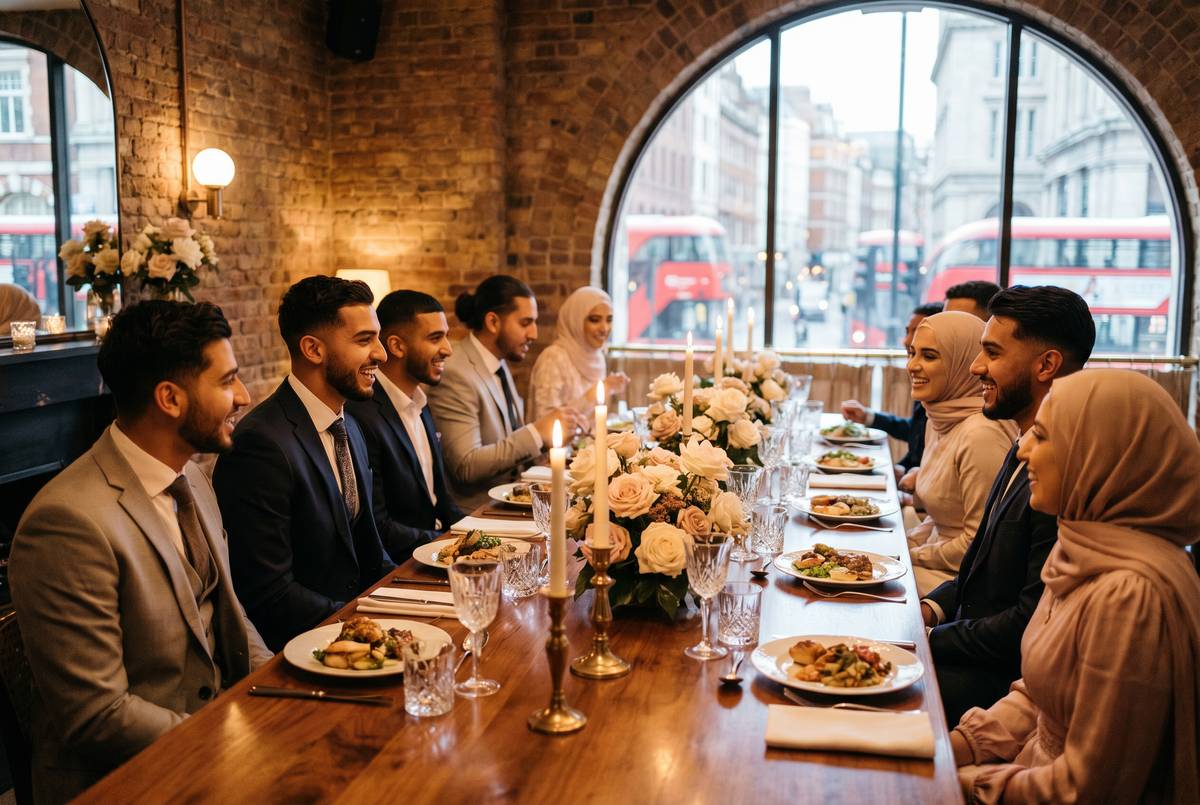
At Deenya, we actively welcome and support the involvement of a wali in the process. Our events are group settings — not private one-on-one meetings — which means they are inherently appropriate for initial introductions. We are happy to speak directly with a wali who has questions about our community, our vetting process, or a specific event. We see the wali not as an obstacle but as an ally in the process of finding a good match.
If you would like to discuss wali involvement with our team, please reach out via our WhatsApp community. We are here to help.
A Community That Understands
Deenya is built around Islamic values. We welcome wali involvement and support every member in navigating the process with dignity.
Join Deenya on WhatsApp